1. Market Size and Growth Trends
In 2024, the global wheelchair market continues to grow steadily, driven by population aging, rising chronic disease prevalence, and technological innovation. Motorized wheelchairs and intelligent automatic wheelchairs have emerged as core growth drivers:
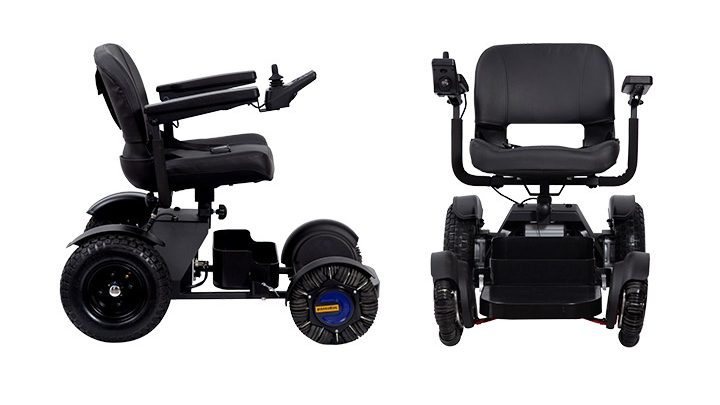
Motorized Wheelchairs: The global market size is expected to reach $8.8 billion with a compound annual growth rate (CAGR) of 4.5%. The Chinese market is particularly prominent, with the electric wheelchair market size expected to exceed RMB 8,782 million in 2024, a 13% year-on-year growth.
Intelligent Automatic Wheelchairs: Demand for premium products integrating AI navigation, voice control, and obstacle avoidance surges in North America and Europe, driving price increases of 20%-30%.
Market segmentation shows motorized wheelchairs further categorized into home-use, medical-use, and outdoor sports models, with lightweight foldable designs (under 10kg) and long-range batteries (>30km) becoming mainstream.
2. Key Growth Drivers
Population Aging: The global population aged 65+ is expected to reach 226 million in 2024, with China accounting for over 30%, fueling demand.
Policy Support: Governments enhance disability welfare programs. For example, China’s 14th Five-Year Plan includes subsidies for rehabilitation aids, while Europe mandates public accessibility upgrades for motorized wheelchairs.
Technological Advancements:
Motorized Systems: Brushless motors and lithium batteries extend ranges to over 40km.
Intelligent Features: Automatic navigation systems (e.g., LiDAR and SLAM algorithms) now feature in 15% of high-end models, enabling remote control via smartphone apps.
3. Competitive Landscape
The market combines high concentration and regional differentiation:
Dominance of Global Leaders: Pride Mobility, Invacare and other headline companies collectively hold 70% market share, focusing on premium motorized and intelligent products.
Rise of Chinese Brands: Iyasocare, Wisking and other companies capture mid-range markets with cost-effective solutions, boosting exports by 25% in 2024.
Regional Strategies: European/American firms prioritize medical-grade models (e.g., standing wheelchairs), while Asian manufacturers emphasize home-use portability and IoT integration.
4. Technological Trends and Innovations
Intelligent Upgrades:
Obstacle Avoidance: Ultrasonic sensors and AI algorithms ensure safe navigation in complex environments.
Health Monitoring: Built-in heart rate and blood pressure sensors sync data with healthcare providers.
Material and Design Breakthroughs:
- Carbon fiber reduces weight to under 8kg while increasing load capacity to 150kg.
2. Transformable designs (e.g., one-click folding) enhance portability for air travel and home storage.
Sustainability: EU carbon footprint regulations push adoption of recycled aluminum and bio-based plastics.
5. Regional Market Insights
North America: Largest market (35% share), driven by medical rehabilitation and homecare demand, with 80% reimbursement coverage.
Europe: Germany and UK lead in premium products (20%+ intelligent adoption), but growth is constrained by strict medical device certifications.
Asia-Pacific: Fastest-growing region (CAGR >10%), fueled by aging populations and expanded insurance coverage, though 70% demand focuses on mid-to-low-end models.
6. Challenges and Opportunities
Challenges:
Cost Pressures: Rising prices of lithium, chips, and raw materials squeeze profit margins.
Regulatory Barriers: Prolonged EU MDR and FDA approvals delay product launches.
Opportunities:
Silver Economy: Aging populations drive demand for rental services and customized solutions.
Emerging Markets: Infrastructure improvements in Southeast Asia and Africa unlock untapped potential.
7. Conclusion and Outlook
In 2024, motorized and intelligent wheelchairs will dominate the market, supported by innovation and policy incentives. Strategic priorities include:
R&D Investment: Address battery efficiency and AI algorithm limitations.
Service Ecosystem: Develop IoT-based remote maintenance and health platforms.
Emerging Market Expansion: Leverage localized production to reduce costs.
Over the next five years, the global wheelchair market is poised to surpass $20 billion, with intelligent products capturing over 40% of sales, reshaping industry dynamics.