The world is getting older. This simple fact is changing many aspects of life. One area seeing big changes is the wheelchair industry. As more people need help with mobility, companies are creating better products. These products help people stay active and independent.
In many countries, the number of older adults is growing fast. For example, by 2030, over 3 billion people worldwide will be aged 60 or older. This means more people will need wheelchairs. They might need them due to age-related issues or health conditions. This demand is pushing the industry to innovate and grow.
Global Aging Trends: Key Markets
The aging population is a global phenomenon, but its pace and impact vary across regions:
• China: With a 65+ population reaching 15.4% (217 million) in 2023, China’s rapid aging (21 years to transition from aging to deep aging society) fuels a wheelchair market projected to hit ¥77.86 billion by 2023. Government policies like the Opinions on Developing the Silver Economy (2024) further stimulate demand.
• Japan: A frontrunner in super-aging, 30.1% of Japan’s population is 65+, driving a ¥100 trillion silver economy. Japan’s Nursing Care Insurance System (2000) catalyzed market growth, fostering innovations like AI-powered exoskeletons and robotic assistants.
• Europe: EU countries average a 21.6% aging rate, with Germany at 23.2%. The EU’s silver economy is projected to reach €5.7 trillion by 2025. Cross-border initiatives like the Pan-European Personal Pension Product (PEPP) enhance accessibility to mobility aids.
• United States: 16.8% (55.8 million) are 65+, rising to 21% by 2030. The U.S. market, valued at $3.59 trillion in 2025, emphasizes private-sector innovation, with strong adoption of CCRC models and AgeTech solutions.
Rising Demand and Market Expansion
People are living longer than ever before. This is good news, but it also brings challenges. With age, some people find it harder to walk or move around. They might use a wheelchair for short trips or full-time support. Younger people with disabilities also need these devices. So, the market includes many different groups.
Governments are also helping. Many now offer subsidies or insurance coverage for wheelchairs. This makes it easier for people to afford them. In some places, laws require public spaces to be wheelchair-friendly. This encourages more people to use wheelchairs and stay active in their communities.
Innovations in Wheelchair Design and Technology
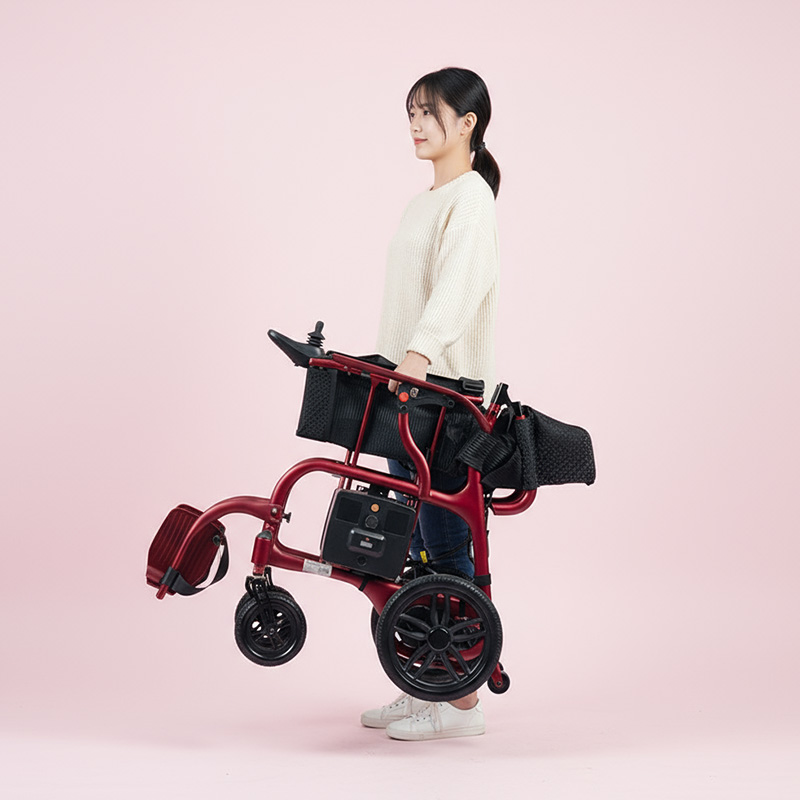
Older wheelchairs were often heavy and hard to move. Today, they are lighter and smarter. Many now use materials like carbon fiber or aluminum. These materials make chairs strong but easy to carry. Some electric models can even climb curbs or avoid obstacles.
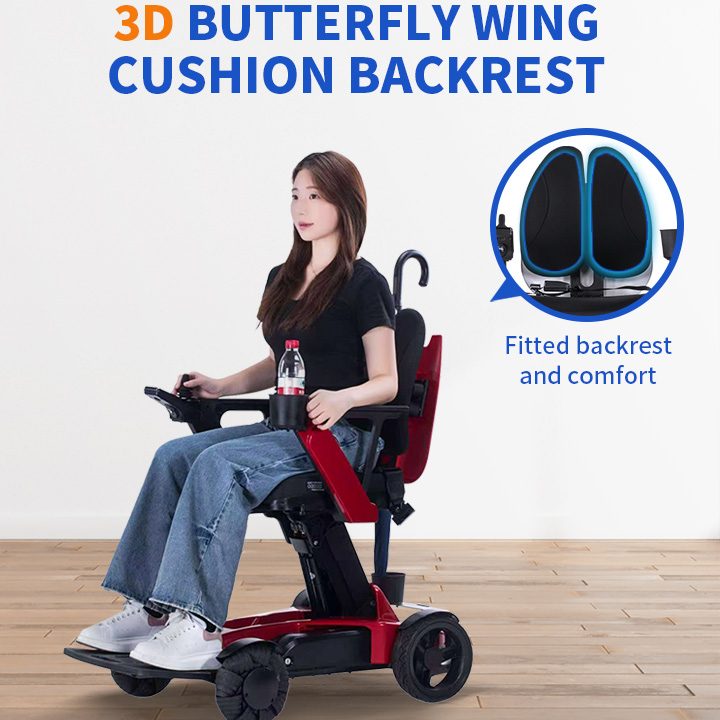
Comfort is also a big focus. New chairs have better seats and support systems. They can reduce pressure on the body. This is important for people who sit for long periods. Some wheelchairs can even connect to smartphones. They track health data or call for help if needed.
Key Innovations and New Entrants:
• Lightweight Materials: Carbon fiber wheelchairs (e.g., by IYASOCARE’s 11.5kg model) reduce weight by 30–40% versus traditional models.
• Smart Features: AI-driven functions like fall detection (e.g., Apple Watch integration), health monitoring, and voice control enhance safety and autonomy.
• Specialized Designs: Companies like Foshan Oriental Medical Equipment developed standing wheelchairs enabling users to rise vertically, improving circulation and social interaction. Kaiyang Medical introduced brain-controlled wheelchairs, interpreting users’ mental commands for movement.
• New Market Players: Traditional manufacturers (e.g., Yuyue Medical, Invacare) now compete with agile startups and cross-sector entrants (e.g., Shanghai Phoenix transitioning from bicycles to foldable wheelchairs).
Market Competition and Industry Growth
The competitive landscape is expanding. Beyond established medical device makers, rehabilitation equipment manufacturers and even consumer brands are entering this space. The top 10 companies currently hold just 15.69% market share, indicating a vast and fragmented market with ample opportunities for innovation and growth.
Future Outlook and Challenges
The future looks bright for the wheelchair industry. As technology improves, chairs will become even smarter and lighter. They might use solar power or have better batteries. Some could even be controlled by voice or eye movements.
At the same time, prices are likely to fall. This will help more people access these important devices. Communities are also becoming more inclusive. This means wheelchair users can join more activities and stay connected.
However, challenges remain. There’s a significant shortage of caregivers, with a gap of 5.5 million in China alone. Balancing high development costs with the need for affordability is also difficult. Furthermore, the varying levels of development between urban and rural areas create a disparity in access to these advanced mobility solutions.
Conclusion
The rise of the aging population is a global fact. But it is also an opportunity. Families, healthcare providers, and technology companies can collaborate to provide seniors with better choices. Wheelchairs are no longer a symbol of weakness; they are a symbol of freedom, movement, and active living. With the push from high-tech companies, the use of new energy batteries, and the transfer of motor enterprise technology, the industry has grown at a speed that few expected.
The future is clear. The wheelchair industry will continue to expand, not only because of the need, but also due to innovation. And behind every product, there is a story of someone regaining independence, dignity, and the joy of being part of everyday life.
In summary, aging populations are driving growth in the wheelchair industry. This growth leads to better products and more choices for users. It also creates jobs and helps build a more inclusive society. If you or someone you know needs a wheelchair, now is an ideal time to explore your options. With so many improvements, there has never been a better time to find the perfect chair.