Importing electric wheelchairs can boost your business but involves key steps to avoid delays, fines, or damaged goods. Here’s a clear guide to simplify the process—no jargon, just practical tips.
Note: Key Points for Importing Electric Wheelchairs
Importing electric wheelchairs can boost your business but involves key steps to avoid delays, fines, or damaged goods. Here’s a clear guide to simplify the process—no jargon, just practical tips.
1. Battery Certificates: Your First Priority
Battery rules are strict. Missing paperwork can stop shipments at customs. Focus on:
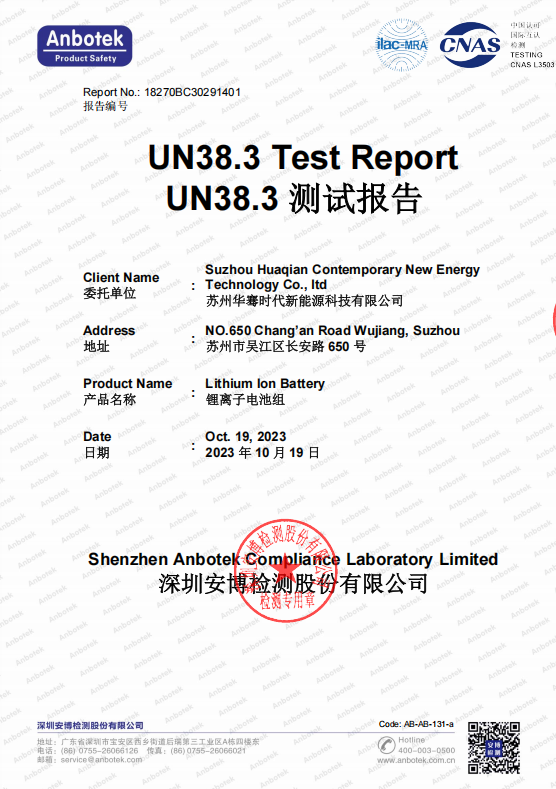
● UN38.3 for Lithium Batteries: Required for all lithium-powered wheelchairs. Tests battery safety under shocks, temperature changes, and pressure. Without this, airlines won’t accept shipments.
● MSDS for Lead-Acid Batteries: Details chemical makeup and safety steps. Some countries still use these heavier batteries—keep this sheet ready for customs checks.
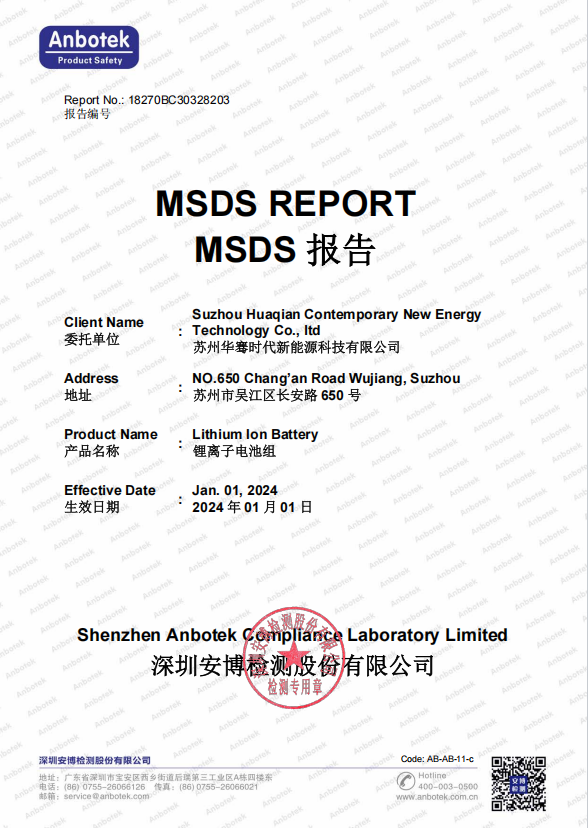
Pro Tip: IYASOCARE provides both certificates upfront, speeding up approvals.
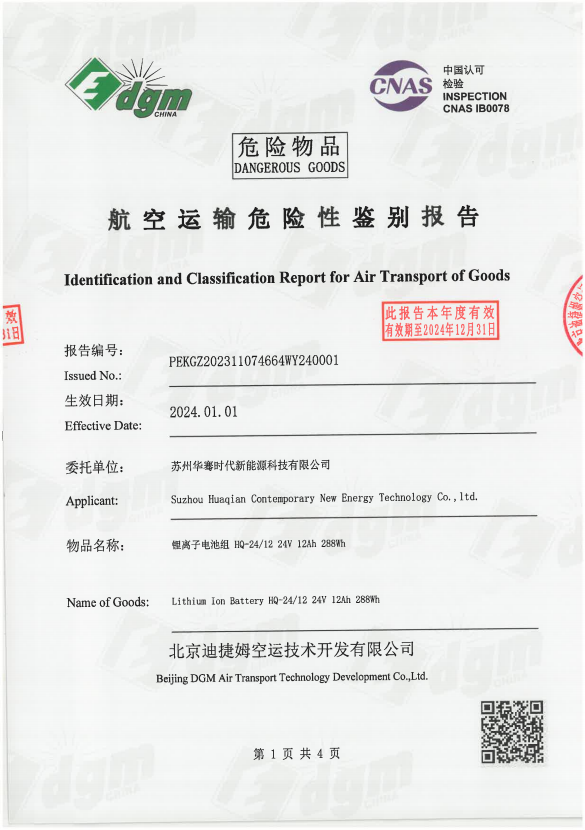
In addition, maritime or air transport will also require a hazardous materials assessment report. Only battery products with all of these certificates can be transported through official channels.
2. Packaging: Protect Your Investment
Weak packaging risks damage during transit. Use:
● 7-Layer Hardboard Boxes: Heavy-duty cardboard resists crushing. IYASOCARE wraps these in double-layer stretch film to block moisture and dust.
● Wooden Crates for Samples: Optional for high-value demo units. Adds $20 cost but prevents dents during test shipments.
Why it matters: 68% of wheelchair returns are due to shipping damage. Invest in packaging to avoid losses.
3. Pick a Reliable Freight Forwarder
A good partner handles logistics headaches. Look for:
● Medical Device Experience: They know wheelchair handling rules (e.g., batteries must be installed or detached safely).
Air vs. Sea Options:
● Air: Faster (5–7 days) but costs 3×more. Best for urgent orders.
● Sea: Cheaper for bulk shipments but takes 30–45 days. Ensure containers are vented to prevent battery corrosion.
● Key Question: Ask forwarders, “How do you handle UN38.3 checks?” Skip those who can’t answer fast.
4. Know Market Rules
For the U.S./EU:
● FCC/CE Marks: Needed for electronic parts (joysticks, motors).
● Accessibility Standards: Seat width (≥18 inches), speed (≤6 km/h), and slope climbing (≥6°) vary by region.
Air Travel Limits:
● Battery Size: Max 300Wh per lithium battery. Need two? Each must be ≤160Wh.
● Spares: One spare ≤300Wh or two ≤160Wh allowed in carry-ons only.
5. Why IYASOCARE Simplifies Imports
This Chinese maker cuts hassle with:
● All-In Kits: Ships wheelchairs with pre-fitted batteries, manuals, tools, and chargers.
● Compliance Ready: UN38.3/MSDS docs included. Models meet FAA, EU air rules.
● Smart Shipping: Uses air-ok boxes (≤63 kg) for fast delivery. Sea shipments packed in moisture-block containers.
Quick Checklist Before Ordering
Certificates: Got UN38.3 + MSDS?
Forwarder: Do they move medical gear daily?
Packaging: Double-film wrap? Wood crates for samples?
Market Fit: Chairs match local safety rules?
Battery Limits: Under 300Wh? Spares packed right?
“IYASOCARE’s kits saved us 2 weeks on customs. Their packs survived a stormy sea trip—no dents!” — Eva R., Fance importer.
Final Tip: Test one unit first. Check quality, docs, and shipping. Then scale up risk-free.
Good importing isn’t hard—just prep well. Focus on batteries, partners, and rules. And pick suppliers (like IYASOCARE) who do half the work for you.